A Guide to Renting Out Your Static Caravan
Discover the essential steps to successfully rent out your static caravan. Learn about everything from preparation to insurance, and guest management in this comprehensive guide. Maximise your rental income and protect your investment today.
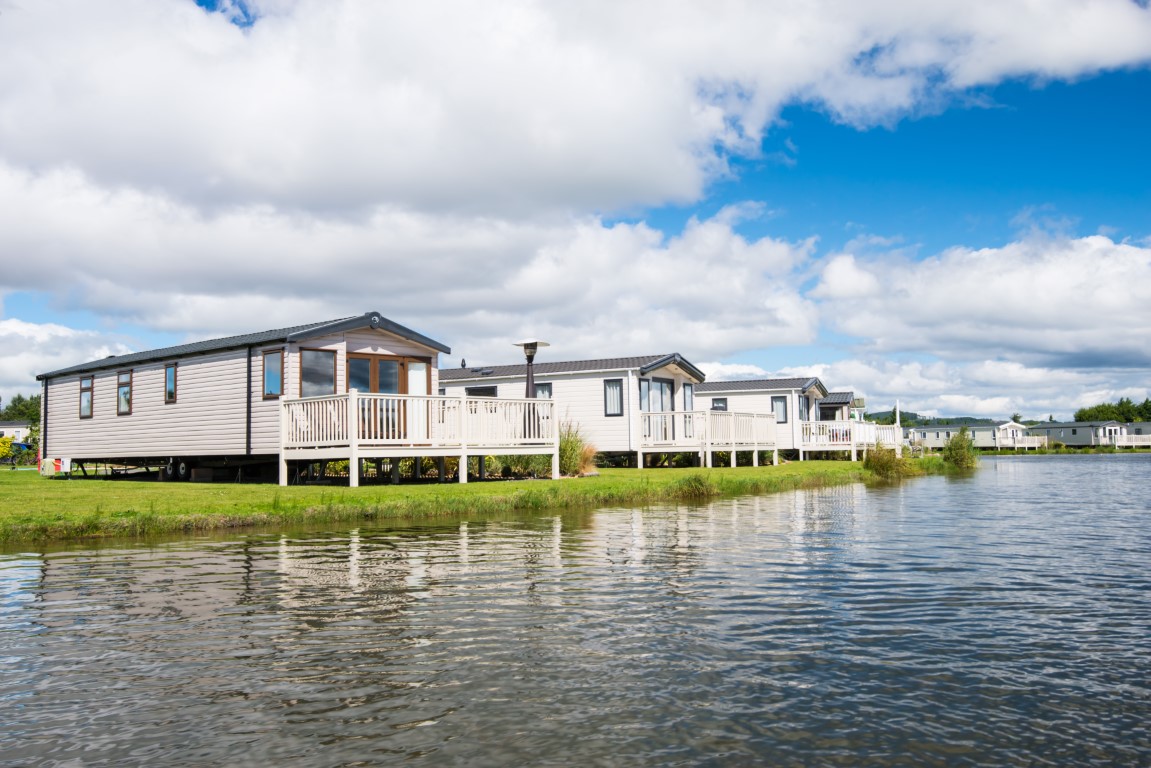
Renting out your static caravan can be a practical way to generate extra income from an asset that might otherwise sit unused for much of the year. Whether your caravan is based on a busy holiday park or in a quieter rural setting, success depends on good preparation, clear processes, effective marketing, and the right insurance.
This guide explains how to rent out a static caravan successfully, including how to prepare your caravan, set pricing, attract guests, manage bookings, and make sure you have suitable static caravan insurance in place.
Can You Rent Out a Static Caravan?
Yes, in many cases you can rent out a static caravan, but the rules depend on where it is located. Holiday parks, site owners, and local authorities may all have conditions around subletting or holiday letting. Before accepting any bookings, you should confirm whether rentals are permitted and what requirements apply.
Some parks allow owners to let their caravans privately, while others only allow rentals through their own managed scheme. If your caravan is on a park, it is worth reviewing the site agreement and understanding the wider responsibilities that come with ownership of a static caravan in a park.
How to Prepare Your Static Caravan for Guests
Before listing your static caravan for rent, make sure it is clean, safe, and well maintained. First impressions matter, and guests are far more likely to book a caravan that looks comfortable, modern, and cared for.
Deep Clean the Caravan
Carry out a full deep clean before your first booking and between guest stays. Pay close attention to carpets, soft furnishings, kitchen appliances, bathrooms, and windows. A spotless caravan improves guest satisfaction and can lead to better reviews and repeat bookings.
Complete Safety Checks
You should inspect all gas, electrical, and water systems to make sure they are in safe working order. Smoke alarms and carbon monoxide detectors should be fitted, tested regularly, and maintained properly. Fire extinguishers and fire blankets may also be required depending on your insurer or site rules.
Carry Out Repairs and Upgrades
Fix any maintenance issues before guests arrive. Small problems such as leaks, broken handles, worn upholstery, or faulty appliances can quickly lead to complaints. If your budget allows, simple upgrades such as better mattresses, improved décor, faster Wi-Fi, or newer appliances can help your caravan stand out.
You should also review your locks, alarms, and other protective measures. A dedicated static caravan security guide can help you assess the most effective ways to protect your caravan between stays.
Legal Considerations When Renting Out a Static Caravan
Understanding the legal side of holiday letting is essential. Rules can vary depending on your location, caravan site, and how often you let the property.
Check Park Rules and Permissions
Review your park agreement carefully. Some holiday parks restrict private lettings, while others impose rules around occupancy, guest registration, or the length of stay. Getting clarity early can help you avoid disputes or penalties.
If your caravan is on private land rather than a holiday park, planning and placement rules may also be relevant. InsureMy also has guidance on having a static caravan on your land and the wider rules and regulations of parking caravans in the UK.
Understand Tax Responsibilities
Income from renting out your static caravan may be taxable. The amount you owe and what expenses you can offset will depend on your circumstances. It is sensible to speak to an accountant or tax adviser so you understand your obligations and keep accurate records from the start.
How to Set the Right Rental Price
Pricing your static caravan correctly is one of the most important parts of a successful rental strategy. If your rates are too high, you may struggle to secure bookings. If they are too low, you could miss out on income and undervalue your property.
Look at similar static caravans in your area and compare location, size, condition, facilities, and seasonal demand. Prices may need to change during school holidays, summer months, and local event periods. Competitive pricing combined with strong presentation often produces the best results.
When reviewing profitability, it also helps to understand the wider cost of static caravans and the likely cost of caravan insurance.
How to Market Your Static Caravan Online
A well-marketed caravan is far more likely to achieve consistent bookings. Your listing should make it easy for potential guests to understand what you offer, where it is located, and why it is worth booking.
Use High-Quality Photos
Strong photography is essential. Include clear, well-lit images of the lounge, bedrooms, kitchen, bathroom, exterior, decking, and any standout features such as views, parking, or nearby attractions. Good photos can significantly improve click-through rates and booking enquiries.
Write a Strong Listing Description
Your listing should clearly describe the caravan, the location, who it is suitable for, and what amenities are included. Mention details such as number of bedrooms, sleeping capacity, pet-friendliness, on-site facilities, nearby beaches or attractions, and whether bedding, Wi-Fi, or parking are included.
List on Popular Holiday Rental Platforms
Many caravan owners advertise on platforms such as Airbnb, Vrbo, or other holiday letting websites. These platforms can help you reach a larger audience and simplify booking management, payments, and availability calendars.
Promote Through Social Media
Social media can help build trust and visibility, especially if you regularly share updated photos, guest feedback, local recommendations, and availability. A simple Facebook page or Instagram profile can support your main listings and help create credibility.
Managing Bookings Efficiently
Good booking management helps reduce stress, prevents misunderstandings, and improves the guest experience.
Use a Booking System
Online booking platforms can help you manage reservations, payment collection, and calendar availability in one place. This reduces the risk of double bookings and makes administration easier.
Set Clear Guest Policies
Guests should know your check-in and check-out times, cancellation terms, occupancy rules, pet policy, smoking policy, and any site-specific requirements before they book. Clear policies help avoid disputes and create a smoother experience for everyone.
Do You Need Insurance to Rent Out a Static Caravan?
Yes, insurance is one of the most important parts of renting out a static caravan. Standard insurance may not cover commercial use or holiday letting, so you should speak to your insurer before taking bookings.
If you plan to rent out your caravan, you may need specialist static caravan insurance designed for owner-let holiday accommodation. If you are ready to compare options, you can also get a caravan insurance quote online.
Why Standard Insurance May Not Be Enough
Many standard policies are designed for private use only. If paying guests stay in your caravan, your insurer may treat that as a different level of risk. Without the correct cover, you may find that claims are restricted or refused.
This is a common issue when owners forget to tell their insurer the caravan is being let out, which can affect claims if the policy is not set up for rental use.
Consider Public Liability Insurance
Public liability cover can help protect you if a guest is injured during their stay or if their belongings are damaged as a result of an issue connected to your caravan. This can be particularly important if you welcome families, children, or multiple guests over the season.
Meet Security and Safety Requirements
Insurers may require certain safety and security measures, such as working smoke alarms, carbon monoxide detectors, secure door locks, and fire safety equipment. Keeping your caravan compliant helps protect both your guests and your insurance position.
Carry Out Regular Inspections
Routine inspections can help you spot maintenance issues early, reduce the chance of larger repair bills, and show that you are taking reasonable care of the property.
How to Provide a Better Guest Experience
A positive guest experience leads to stronger reviews, more recommendations, and more repeat bookings.
Keep Standards of Cleanliness High
Cleanliness is one of the most common factors mentioned in reviews. Make sure the caravan is thoroughly cleaned between stays and that any issues are dealt with quickly.
Communicate Clearly With Guests
Respond to enquiries promptly and provide useful information before arrival, during the stay, and after checkout. Guests appreciate clear directions, simple check-in instructions, and quick help if any issues arise.
Create a Welcome Pack
A welcome pack can improve the overall experience and answer common questions. Include practical details such as appliance instructions, Wi-Fi information, emergency contacts, local attractions, nearby shops, and recommendations for things to do in the area.
Encourage Reviews
Reviews help build trust and improve conversion rates on booking platforms. After checkout, invite guests to leave honest feedback and use that feedback to improve your setup over time.
Important Documents for Static Caravan Rentals
Having the right paperwork in place can protect both you and your guests.
Rental Agreement
A written rental agreement should set out the key terms of the booking, including payment terms, cancellation rules, guest responsibilities, and any restrictions that apply during the stay.
Inventory Checklist
An inventory checklist helps document the contents and condition of the caravan before and after each booking. This can be useful if damage occurs or if part of a security deposit needs to be retained.
Handling Payments Securely
Secure, transparent payment processes help build trust and reduce disputes.
Use trusted payment methods or established booking platforms that offer secure processing. If you take a security deposit, explain clearly how it works, what it covers, and when it will be returned.
How to Improve Your Static Caravan Rental Over Time
The most successful caravan owners review and improve their offering regularly. Guest expectations change, and small upgrades can make a meaningful difference to your results.
Look at guest feedback, monitor competing listings, and consider improvements such as better outdoor seating, faster internet, upgraded furnishings, or family-friendly extras. Continuous improvement can help you increase occupancy, justify stronger pricing, and encourage repeat bookings.
It is also worth reviewing the type of cover you hold over time, especially if your caravan is older, as the difference between new-for-old and market value cover for older static caravans can affect both premiums and claim outcomes.
Final Thoughts
Renting out your static caravan can be a profitable and rewarding way to earn additional income, but it works best when approached professionally. A clean and well-maintained caravan, clear guest policies, effective marketing, and suitable insurance are all key to building a successful holiday rental.
By preparing thoroughly, following legal and site requirements, and focusing on a great guest experience, you can increase bookings, protect your investment, and build a strong reputation over time. For more support, browse the wider InsureMy guides or compare caravan insurance options.