


How to Pick the Right Caravan Towing Cover 2026
If you tow a caravan regularly in the UK, a towing cover can be a worthwhile investment. Read how to find the best one for your caravan
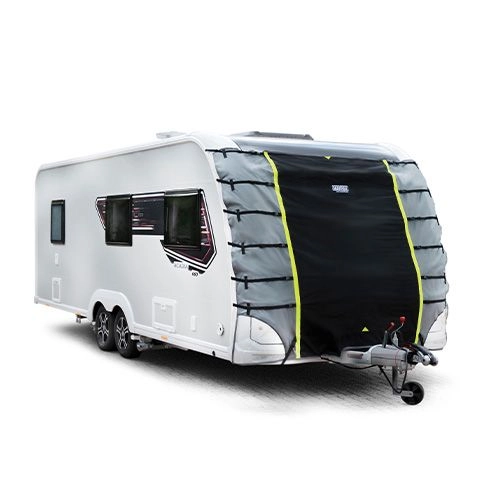
A caravan towing cover - sometimes called a towing jacket or front towing cover - is designed to protect the front of your caravan while it is being towed. It can help shield bodywork and windows from road grit, stone chips, spray, insects and general dirt.
The main choice is usually between a tailored cover made for a specific caravan model and a universal cover designed to fit a wider range of caravans. The right option depends on your caravan, how often you tow, your budget and the level of convenience and protection you want.
What does a caravan towing cover actually do?
A caravan towing cover protects the front of the caravan while you are on the move. That is different from a full storage cover, which is designed to protect the entire caravan while parked. Practical Caravan distinguishes between towing covers for transit damage and full caravan covers for storage, which is an important difference when buying.
The main job of a towing cover is to act as a barrier against:
- stone chips and loose road debris
- muddy spray and surface grime
- bug splatter
- light weather exposure during towing
- marks on front windows or panels
Some covers also claim to help protect vulnerable or already weathered front windows while travelling, though that should not be treated as a substitute for proper repair.
Are caravan towing covers worth it?
For many caravanners, yes. They make the most sense if you tow often, use motorways regularly, tour in mixed weather, or want to keep a newer caravan looking tidy. The value is usually greater on caravans with larger front panels or panoramic windows, where cosmetic damage can be both more obvious and more expensive to put right. Tailored covers are generally marketed for regular towing, while universal covers are often positioned as a more flexible option for occasional use or for owners who may change caravans.
A towing cover is less essential if you only take very short local trips a couple of times a year, but even then the front of the van is still exposed to grit and spray. Whether it is “worth it” comes down to how much you value reduced cleaning, fewer marks, and a better-preserved front end over time.
Tailored vs universal caravan towing covers
Tailored towing covers
A tailored towing cover is made for a specific caravan make and model. The main advantage is fit. A closer fit usually means less movement in transit, better coverage, and a neater overall finish. Tailored covers are generally the premium end of the market and tend to cost significantly more than universal covers.
A tailored cover is usually the better choice if
- you tow frequently
- you have a newer or higher-value caravan
- you want the neatest fit possible
- your caravan has unusual front contours or large windows
- you are willing to pay more for caravan-specific fit
Universal towing covers
A universal towing cover is designed to fit a broad range of caravans rather than one specific model. These covers are usually cheaper and more widely available through general retailers and marketplaces. They can be a good fit for occasional users or buyers who do not want to invest heavily in a model-specific cover. However, the fit is rarely as exact as a tailored product, so the quality of straps, buckles, backing material, and securing system matters more.
A universal cover is usually the better choice if:
- you want to spend less
- you tow only occasionally
- you may change caravans in the near future
- you need a readily available off-the-shelf product
- your caravan is compatible with common fitting systems such as dual awning channels
How much does a caravan towing cover cost in 2026?
Prices vary significantly according to fit, construction, padding and access features. As a current UK market example, Specialised Covers lists universal towing covers from around £149 and tailored options from around £289, with padded and extended-height models costing more than £450 and some premium versions exceeding £550.
These figures are examples rather than an industry-wide price guide, and prices can change. Before buying, compare the total cost with the fit, materials, warranty, replacement parts and features you are actually getting.
The features that matter most in 2026
Not every towing cover is built the same. These are the features most worth checking before you buy.
1. Fit and fixing method
Many universal covers are designed for caravans with two front awning channels, and some tailored covers also depend on awning-channel compatibility. If your caravan does not have the required channel layout or has obstructions, your options may narrow quickly. This is one of the first technical checks to make before looking at price.
2. Light visibility
A cover should not compromise visibility. Some current covers use clear PVC windows so the caravan’s own front lights remain visible, while others use battery-powered LED lights and reflective strips. Products from Maypole and several universal marketplace sellers highlight these visibility features prominently.
3. Inner lining
A soft, non-marking or fleece-backed inner layer is worth looking for, especially if you are trying to avoid scuffs on the front panel or windows. Several current universal products emphasize soft backing as a key selling point.
4. Material weight and construction
You want a cover sturdy enough to resist road wear but not unnecessarily heavy or awkward to fit. Listings commonly mention multi-layer construction, water resistance, UV resistance, and reinforced stitching. Those are useful indicators, but the real test is how securely the cover fastens and how little it shifts in transit.
5. Access panels and convenience
Higher-priced tailored covers often include easier access to grab handles, windows, or locker areas. That is not essential for everyone, but it can make a difference if you use the cover regularly and want less hassle during setup.
6. Storage and handling
Some towing covers are easier to fold, fit, and store than others. This matters more than many buyers expect. A cover that is too awkward to fit quickly may end up being left in the bag.
Common mistakes to avoid when buying a towing cover
One of the biggest mistakes is buying based on price alone. The cheapest universal cover may still be poor value if it fits badly, flaps excessively, or is awkward to secure. Another common mistake is confusing a towing cover with a storage cover. They are not the same product category, and some manufacturers explicitly say their towing covers should not be used for long-term storage.
It is also worth avoiding strong assumptions about “one size fits all.” Many universal covers fit most caravans within certain dimensions or fitting setups, not literally every caravan. Always check measurements, channel requirements, and whether the design works with your front shape and window layout.
Which type of towing cover is right for you?
A simple way to decide is this:
Choose a tailored towing cover if you tow often, care about the neatest fit, and want a caravan-specific solution.
Choose a universal towing cover if you are more price-sensitive, tow less often, or want something flexible and easy to replace.
For many buyers, that decision matters more than the logo on the bag.
How do I know what size towing cover I need?
Compatibility should be checked before price. A poor fit can make a cover difficult to secure and may allow unnecessary movement while travelling.
Before ordering, check:
· your caravan make, model and model year
· the caravan's width and front profile
· whether the fitting system requires one or two awning channels
· the position of front windows and panoramic glazing
· grab-handle and gas-locker positions
· whether lights, reflectors or other required equipment remain unobstructed
· the manufacturer's compatibility list and fitting instructions
For a tailored cover, the exact make, model and year can be particularly important because front profiles and fittings can change between model generations.
Examples of towing covers currently available in the UK
Rather than claiming a definitive “best” without hands-on testing, it is more honest to point to the types of products currently on the market.
Tailored options: Specialised Covers remains one of the clearest UK names in model-specific towing covers, with multiple tiers aimed at different budgets and caravan front designs.
Universal options: Maypole, Royal-branded products sold by caravan retailers, and various marketplace-led covers such as GADLANE- or Defender-style products continue to represent the more affordable end of the market, often emphasizing LED visibility, reflective strips, and multi-layer protection.
Does a caravan towing cover affect your insurance?
A caravan towing cover is a useful protective accessory, but it does not replace caravan insurance and should not be assumed to change the cover provided by your policy.
Caravan insurance policies can differ in how they treat accidental damage, towing-related incidents, accessories and personal belongings, so it is worth checking the terms and exclusions that apply to your own policy before travelling.
A towing cover can help reduce exposure to everyday road debris, dirt and minor cosmetic damage, but it cannot protect against more serious risks such as collisions, theft, storm damage or other insured events.
Before setting off, make sure your caravan is road-ready and that your insurance provides the level of protection you expect while the caravan is being towed, stored and used on site.
Frequently asked questions
Do I need a caravan towing cover for short trips?
Even short journeys can expose your caravan to grit, spray and insects, so a towing cover can still be useful. The question is less about trip length and more about whether you want to reduce cosmetic wear over time.
Is a tailored towing cover better than a universal one?
Usually, yes for fit and finish. Tailored covers are generally a better option for regular towing, while universal covers are usually better for flexibility and lower upfront cost.
Can I use a towing cover as a storage cover?
Not necessarily. Some towing covers are specifically designed for use in transit only, so always check the manufacturer’s instructions before using one for long-term storage.
What should I check before ordering?
Check your caravan’s width and front profile, whether it has two front awning channels, how the cover keeps lights visible, and whether you want a tailored or universal fit.
Are LED lights on a towing cover worth having?
They can be useful, especially on darker roads or in poor weather, but they are only one part of the buying decision. Fit, stability, and non-marking protection matter just as much.
Final thoughts
The best caravan towing cover in 2026 is not simply the most expensive one or the one with the most features. It is the one that fits your caravan properly, suits how often you tour, and gives you the level of protection and convenience you actually need. A tailored cover will usually suit frequent caravanners best, while a universal cover can be the sensible choice for lighter use or tighter budgets.


