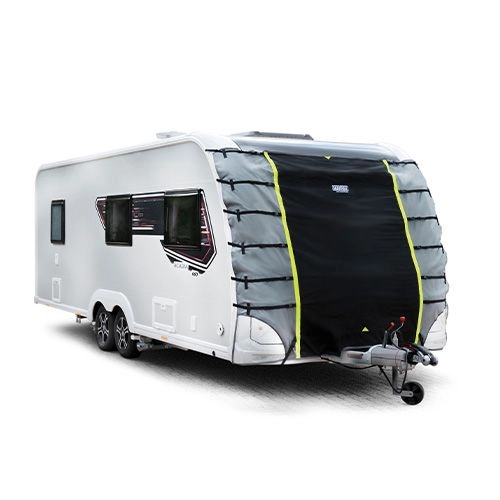
Boat Security & Theft Prevention in the UK
Reduce boat theft risk with practical UK security tips for marinas, moorings and trailers—locks, alarms, trackers, checklists and what to do if stolen.
A practical, layered guide for marinas, moorings and trailers
Boat ownership should be relaxing. Unfortunately, theft and vandalism remain real risks—particularly for removable, high-value items like outboards, electronics, batteries, tools, and tenders. The good news is that most incidents are opportunistic. A small number of sensible security measures, applied consistently, can significantly reduce your exposure.
This guide sets out a simple “layered security” approach you can apply whether your boat is kept in a marina, on a mooring, in a yard, or on a trailer at home.
Note: This article is general guidance, not legal advice. Always follow local marina rules and the terms of your insurance policy.
How boats get targeted (and what thieves actually take)
Most thefts are either:
- Opportunistic: someone spots an easy win—unsecured kit on deck, an unlocked locker, a tender left untethered.
- Targeted: thieves come specifically for an outboard, electronics, or a known high-value setup.
Commonly targeted items include:
- Outboards and auxiliary engines (especially quick-release setups)
- Portable electronics: handheld VHF, tablets/phones, binoculars, cameras, chartplotters if easily removable
- Batteries, tools, fuel cans
- Tenders/dinghies and PWC accessories
- Personal gear: fishing kit, wetsuits/dry suits, paddleboards, lifejackets
A strong security posture does two things:
- Increases the time and effort required (discourages opportunists).
- Increases the likelihood of detection and recovery (discourages targeted theft and helps after an incident).
Start with a 5-minute boat security audit
Before buying any kit, do a quick risk audit. Your best next step depends on where you keep the boat and what can be removed quickly.
Ask yourself:
- Where is the boat stored overnight most often (marina, mooring, driveway, yard)?
- Is it visible from public access (road, footpath, slipway)?
- What could a thief remove in under 60 seconds?
- Do you have serial numbers, photos, receipts for key items?
- Who else has keys/access (family, friends, marina staff, contractors)?
- Are you relying on one security measure (for example, “the marina has a gate”)?
If your answers suggest high visibility and high portability, you need multiple layers.
The layered approach: Harder, Noisier, Traceable
A single lock is rarely enough. Effective security is layered: if one layer fails, the next still helps.
Layer 1: Make it harder (physical security)
Physical measures aim to slow removal and reduce “easy wins.”
Hatches, companionways and lockers
- Fit robust hasps/locks where appropriate and ensure fittings are properly backed and sealed.
- Use lockable lockers for tools and smaller valuables (or remove them entirely).
- Make it standard practice to clear the cockpit and deck before leaving.
Outboards and auxiliary engines
- Use an outboard lock or secure the mounting method to prevent quick removal.
- Consider a secondary retention method (where safe and suitable) to add time to any attempt.
- Record the make/model/serial number and photograph the engine from multiple angles.
Tenders and deck gear
- Secure tenders with a quality chain/lock and, where possible, remove or secure removable fittings.
- Do not leave pumps, oars, fuel tanks, or portable electronics in tenders overnight.
Trailer security (if applicable)
- Use a hitch/coupling lock and a wheel clamp when stored.
- Where feasible, position the trailer so it is difficult to tow away (for example, blocked-in).
- Consider removing a wheel (practical in some situations) or using an immobilisation approach.
Choosing locks and chains (principles, not brands)
- Use marine-appropriate materials where exposure to salt water is likely.
- Prefer closed-shackle designs where feasible to reduce cutting leverage.
- Avoid relying on thin cable locks as a primary deterrent; use them only as an additional layer.
Layer 2: Make it noisier (alarms and visible deterrence)
Noise and attention are powerful deterrents, particularly in marinas and residential areas.
Options include:
- Simple motion alarms for lockers and companionways
- Boat alarm systems (integrated sensors, siren, remote notifications)
- Battery-disconnect and isolation practices (where appropriate and safe) to reduce tampering options
Practical considerations:
- Ensure any alarm choice makes sense with your power setup (shore power vs battery only).
- Test alarms routinely. A security system that no longer works can provide false confidence.
- Visible deterrence helps: obvious locks, alarm signage, and tidy decks signal “not worth it.”
Layer 3: Make it traceable (tracking and identification)
Traceability increases the chance of recovery and can reduce the impact of theft.
Trackers
- A discreet GPS tracker can be valuable, especially for trailer boats and high-value engines.
- Place trackers where they’re less likely to be found quickly and consider backup power arrangements.
Marking and documentation
- Mark property with UV pens or other identification methods.
- Keep an up-to-date inventory with:
- Serial numbers
- Photos
- Receipts/warranties (digital copies are fine)
- Distinguishing marks
This is also helpful for reporting to the police and supporting any insurance claim.
Security by location: what to do depending on where you keep the boat
The same boat can be low risk in one place and higher risk in another. Use the guidance below as your baseline, then adjust for your circumstances.
Marina berth: reduce access, remove temptation
Marinas often provide gates, CCTV, and lighting—but owners still benefit from good onboard habits.
Do
- Ask your marina what security measures are in place: access control, lighting coverage, CCTV, patrols, and visitor policies.
- Keep the boat looking “closed down”: tidy deck, covers on, lockers shut.
- Remove high-value portable gear (handheld VHF, tablets, cameras, binoculars) when you leave.
- Consider a locker strategy: “nothing valuable left visible.”
Don’t
- Leave electronics or tools in plain sight “just for tonight.”
- Assume “it’s safe because it’s a marina.” Many incidents are low-effort and quick.
Mooring (swing mooring, river mooring): focus on removal and routine
Mooring-based storage often has less controlled access. Your routine matters.
Do
- Treat moorings as “unattended storage”: remove valuables every time.
- Use consistent physical security on hatches/companionways where appropriate.
- Secure the tender properly (and remove portable items from it).
- Consider traceability measures (inventory, marking, tracker) as a standard approach.
Don’t
- Leave the boat “ready to go” with gear onboard if you won’t be back for days.
- Underestimate visibility from towpaths and public access points.
Trailer at home (driveway, side access, farm storage): prevent tow-away theft
Trailer boats can be particularly attractive because they’re mobile.
Do
- Combine at least two measures: hitch lock + wheel clamp, plus positioning (blocked-in if possible).
- Store keys securely and avoid keeping them near the front door or in obvious places.
- Use lighting and, if feasible, a driveway camera; signage can help as a deterrent.
- Remove portable electronics and valuable gear from the boat.
Don’t
- Leave the trailer hitched to the car overnight.
- Assume a single hitch lock is enough.
Yard / dry stack / storage compound: check the controls, then secure the boat
Commercial storage can be excellent, but standards vary.
Do
- Ask about perimeter security, access logs, staff presence, inspection frequency, and CCTV.
- Confirm the process for third-party access (contractors, maintenance).
- Apply your own onboard measures: locks, removal of valuables, inventory documentation.
Don’t
- Assume storage means “no need to lock anything.”
- Leave high-value items in lockers on the basis that the yard is “secure.”
The insurance angle: keep it practical and policy-aware
Security and insurance are closely linked, but the best approach is simple:
- Take reasonable precautions consistently.
- Document what you own and how it’s secured.
- Avoid leaving high-value items unattended when it isn’t necessary.
If you upgrade security (for example, fitting an alarm or tracker), it may be worth telling your insurer—particularly for higher-value craft and equipment.
If you’re reviewing cover, consider whether your policy approach matches how you actually use the boat: marina vs mooring vs trailering, frequency of use, and typical onboard equipment value.
If the worst happens: theft and vandalism response checklist
If you discover theft or damage, act quickly and methodically.
- Ensure safety first
If there’s any risk (fuel smell, electrical damage, forced entry hazards), make the area safe and contact appropriate assistance. - Contact the police
Report the incident and obtain a crime reference number. - Notify the marina/yard/storage operator
Ask for any CCTV review process and incident documentation. - Document the scene
Take clear photos of:- Entry points and damage
- Missing items locations
- Serial numbers (if available) and identifying marks
- Compile your item list
Use your inventory (or create one) including serial numbers, receipts, photos, approximate purchase dates, and replacement costs. - Contact your insurer promptly
Provide the crime reference number and documentation. - Prevent repeat incidents
After an incident, thieves sometimes return. Upgrade the layers that failed: improve physical security, reduce onboard valuables, and strengthen deterrence.
Printable “Before You Leave the Boat” security checklist
Use this as a quick routine. Consistency beats complexity.
30-second checklist (every time)
- Remove portable valuables (handheld VHF, phones/tablets, binoculars, cameras).
- Clear the deck/cockpit of tools and kit.
- Lock companionway/hatches/lockers as appropriate.
- Secure the tender and remove tender contents.
Weekly checklist
- Check locks and fittings for corrosion, looseness, or wear.
- Update your inventory with any new kit onboard.
- Verify your alarm or deterrent system is functioning.
Seasonal checklist (especially before winter storage)
- Deep inventory: photos, serial numbers, receipts stored digitally.
- Review where the boat will be stored and adjust layers (yard vs marina vs mooring).
- Remove non-essential high-value kit for offsite storage.
- Consider tracker maintenance: battery, subscription status (if applicable), and test geofence alerts.
A simple benchmark: what “good” looks like
A sensible, proportionate setup for many owners looks like this:
- Physical: secure entry points + outboard/tender security
- Deterrence: visible locks + basic alarm or motion alert where appropriate
- Traceability: inventory + photos + serial numbers (and a tracker for higher-risk setups)
If you want this tailored to your exact situation, use the 5-minute audit at the top and apply the location-specific section that matches where your boat spends most nights.