DIY vs Pro: 10 Repairs Landlords Shouldn’t DIY (And What To Do Instead)
DIY vs pro repairs for landlords: 10 jobs you shouldn’t DIY, what to do instead, plus a landlord insurance guide to reduce risk and avoid costly claims.
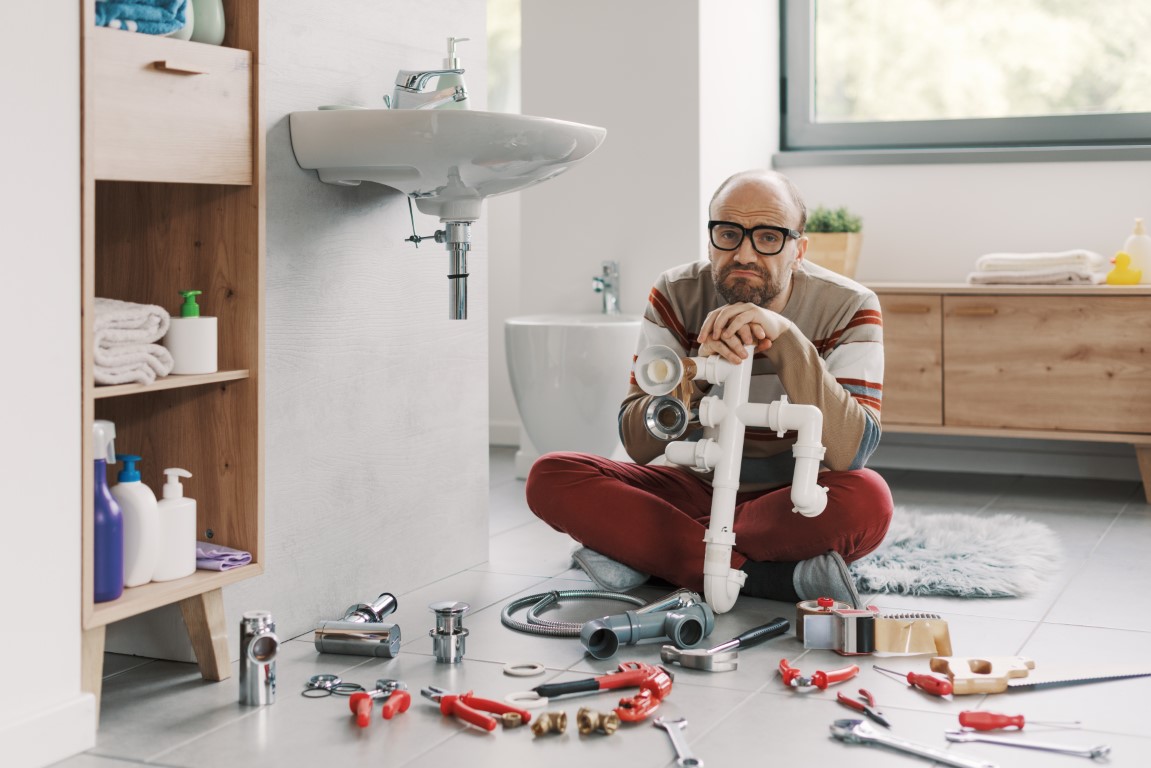
Most landlords have a bit of “I’ll just sort it” in them. Tight turnaround between tenants, a small issue that looks simple, or a tradesperson who can’t come for days — it’s tempting to DIY.
But in rental property, DIY isn’t just about whether you can fix something. It’s also about:
- Safety (yours, your tenant’s, and the public)
- Legal compliance (gas, electrics, fire safety, licensing conditions)
- Liability if something later goes wrong
- Evidence if there’s a dispute or an insurance claim
A good rule of thumb: cosmetic = often OK; anything involving gas, electrics, structure, water ingress, or fire safety = use a pro.
Below are 10 repairs landlords should avoid DIY-ing, plus the safer alternative.
1) Gas appliances and pipework: always a pro
Don’t DIY: boiler repairs, moving a gas hob, capping/altering gas pipes, anything that breaks the gas seal.
Do instead: use a Gas Safe registered engineer. Ask for documentation of the work.
Why it matters: gas work is high-risk and tightly regulated — and the consequences of getting it wrong are severe.
2) Electrical work beyond basic resets: pro recommended (often essential)
Don’t DIY: replacing consumer units, adding new circuits, kitchen/bathroom wiring, diagnosing recurring trips, “quick fixes” with connectors or taped joins.
Do instead: use a qualified electrician (and for any required certification, make sure it’s issued).
Why it matters: electrics fail quietly until they don’t. DIY fixes can create hidden fire risk and compliance issues.
3) Anything structural: don’t guess
Don’t DIY: removing walls, altering doorways, cutting joists, drilling big holes through structural elements, “opening up” floors/ceilings without a plan.
Do instead: speak to a structural engineer or experienced builder first.
Why it matters: structural mistakes are expensive, dangerous, and can trigger wider compliance problems.
4) Roofing, chimneys, and high-level external repairs: don’t risk the fall
Don’t DIY: replacing tiles at height, chimney repairs, guttering above one storey without proper access equipment.
Do instead: hire a roofer with safe access (scaffold/tower as needed).
Why it matters: falls are one of the most common serious DIY injuries — and landlords can end up liable if a tenant is put at risk or the job is done unsafely.
5) Water ingress and hidden leaks: avoid “seal it and hope”
Don’t DIY: repeatedly resealing around baths/showers without diagnosing the source, patching damp walls without finding the leak, painting over stains.
Do instead: investigate properly (plumber/leak detection), then repair and dry out before redecorating.
Why it matters: water damage spreads. A small leak can become mould, rot, and a much bigger bill.
6) Plumbing that involves altering pipework: pro
Don’t DIY: moving radiators, altering supply lines, changing stopcocks, “creative” pipe reroutes, unvented cylinder work.
Do instead: use a qualified plumber/heating engineer.
Why it matters: poor pipework can cause slow leaks, pressure issues, and major escape-of-water incidents.
7) Fire safety systems: keep it professional
Don’t DIY: disabling or relocating alarms, fitting incorrect alarm types, improvising fire doors/closers, blocking vents intended for safety.
Do instead: follow product specs and, where required, use appropriate professionals (especially in HMOs or licensed properties).
Why it matters: fire safety isn’t a “best effort” area — it’s where standards and documentation matter.
8) Window and door security hardware on escape routes: pro (or very careful)
Don’t DIY: fitting locks that prevent escape, installing security bars without considering egress, altering fire escape windows.
Do instead: use a competent installer and ensure tenants can safely exit in an emergency.
Why it matters: security upgrades shouldn’t compromise safety.
9) Pest issues that indicate a bigger problem: pro + diagnosis
Don’t DIY: repeatedly using off-the-shelf poisons without addressing entry points, water sources, or nesting areas.
Do instead: use pest control and ask for a report on the underlying cause (gaps, drains, damp, waste storage).
Why it matters: pests often signal a property defect. Fixing the symptom alone rarely lasts.
10) Anything involving asbestos (suspected): stop and check
Don’t DIY: drilling, sanding, cutting, or removing old textured coatings, insulation boards, or pipe lagging in older properties.
Do instead: get professional advice/testing if you suspect asbestos.
Why it matters: asbestos risk is about fibres — and DIY disturbance is one of the worst ways to create exposure.
The “Safe DIY” zone (what landlords can usually do)
DIY can be fine for low-risk, cosmetic work such as:
- painting and decorating
- replacing internal door handles and latches
- basic garden maintenance (with safe equipment)
- minor resealing after proper drying and cleaning (when no active leak exists)
Even here: document the work, keep receipts, and avoid anything that affects safety systems.
The landlord’s decision checklist: DIY or Pro?
Before you pick up the toolbox, ask:
- Could someone be injured if I get this wrong?
- Is this regulated (gas/electrics/fire safety)?
- Could this cause hidden damage (water ingress, wiring, structure)?
- Will I have evidence/certification if questioned later?
- Would a professional fix be cheaper than the consequences of a failed DIY fix?
If you answered “yes” to any of these, lean professional.
Landlord insurance: why DIY choices matter
Landlord insurance is there to protect you against the financial impact of nasty surprises — but your approach to maintenance can still affect outcomes.
Here’s how DIY intersects with insurance in the real world:
1) Claims are easier when you can show you acted reasonably
If something escalates (e.g., a small leak becomes major water damage), insurers may look at whether the issue was handled promptly and appropriately. Using a qualified tradesperson and keeping a paper trail helps demonstrate that.
Tip: keep a simple “property log” with dates, photos, contractor invoices, and tenant messages.
2) Poor workmanship can create bigger losses
A “quick fix” on a pipe joint, a bodged seal, or a miswired fitting can turn a minor issue into a large claim. Even when a policy covers certain events (like escape of water), avoidable escalation and lack of maintenance can complicate things.
3) Matching cover to your letting reality matters
If you’ve upgraded kitchens/bathrooms, added outbuildings, or changed how you let (e.g., furnished, student let, multiple occupants), it’s worth checking your landlord policy still fits. The right cover can include options like:
- buildings and contents (if furnished)
- loss of rent / alternative accommodation after an insured event
- property owner’s liability
- accidental damage (often optional)
If you’re reviewing your approach to maintenance and risk, it’s a good moment to review your insurance too.
Practical process: how to handle repairs without the stress
- Triage fast: ask for photos/video + whether it’s urgent or unsafe
- Control access properly: agree a reasonable time and keep it in writing
- Use the right pro early: prevent the “small issue becomes big issue” spiral
- Close the loop: confirm what was done and what to watch for
FAQ: DIY vs Pro Repairs for Landlords
Can landlords do repairs themselves in the UK?
Yes, landlords can do some repairs themselves, especially low-risk cosmetic work like painting, minor joinery, or replacing like-for-like items. However, anything involving gas, many types of electrical work, fire safety, structural changes, or suspected asbestos should be handled by qualified professionals.
What repairs should a landlord never DIY?
As a practical rule: don’t DIY gas work, complex electrics, structural alterations, roof/chimney work at height, pipework changes, fire door/alarm changes, or anything involving suspected asbestos. These areas carry higher safety, legal, and liability risk.
Do landlords have to use a Gas Safe engineer?
For gas work, yes — landlords must use a Gas Safe registered engineer for installation, maintenance, and safety checks. Tenants should also receive valid documentation (such as the annual gas safety record where applicable).
Do landlords need an electrician for repairs?
For simple issues (like resetting an RCD/MCB) you might not, but anything beyond basic checks — especially work that changes wiring, circuits, or the consumer unit — should be done by a qualified electrician and properly certified where required. If a fault is recurring, treat it as a professional job.
How much notice must a landlord give before entering to do repairs?
Typically, landlords should give at least 24 hours’ notice and visit at a reasonable time of day, unless it’s an emergency (like a major leak or gas concern). Always check the tenancy agreement and keep access requests in writing.
What counts as an emergency repair?
An emergency is usually something that poses immediate danger or serious property damage, such as:
- gas smell / suspected gas leak
- significant water leak or burst pipe
- total power loss or dangerous electrical fault
- no heating/hot water in cold conditions (context-dependent)
- fire, flooding, or unsafe structural issues
In emergencies, urgent access and rapid action are expected.
Should landlords keep records of repairs?
Yes. Keep a simple record of:
- tenant report (date + description)
- photos/videos (before/after)
- contractor quotes/invoices
- dates of attendance and work completed
- any certificates provided
Good records help with compliance, tenant disputes, and insurance claims.
Can DIY repairs affect landlord insurance?
They can. Insurance often expects you to take reasonable steps to maintain the property and prevent losses from getting worse. Poor workmanship or delayed repairs can complicate claims, especially where damage escalates (for example, a small leak becoming major water damage). Using qualified trades and keeping documentation makes claims smoother.
Is it worth paying for professional repairs instead of DIY?
Often yes — particularly for anything that could:
- create hidden damage (leaks, wiring faults)
- impact safety systems (fire/CO/smoke)
- lead to bigger costs later
- require certification or compliance proof
Professionals can be cheaper than the consequences of a failed DIY fix.
What DIY tasks are generally safest for landlords?
Generally low-risk tasks include:
- painting and decorating
- replacing internal door handles and latches
- basic garden maintenance (safely)
- minor resealing after proper drying and cleaning (when no active leak exists)
If a task affects gas, electrics, water pressure, structure, or fire safety, treat it as “Pro.”
Summary
DIY can be great for light cosmetic upkeep, but landlords should avoid DIY on gas, complex electrics, structure, significant plumbing, roofing, fire safety, and anything involving potential asbestos. The safer path is usually cheaper long-term — and it keeps you compliant, reduces disputes, and lowers the chance of a small defect becoming a major incident.