Lithium Batteries, E-Bikes and Portable Power Stations in Caravans: What Your Insurer Expects (and How to Avoid a Rejected Claim)
Touring with e-bikes or a portable power station? Learn what insurers expect, what to declare, and how to avoid claim issues with lithium kit.
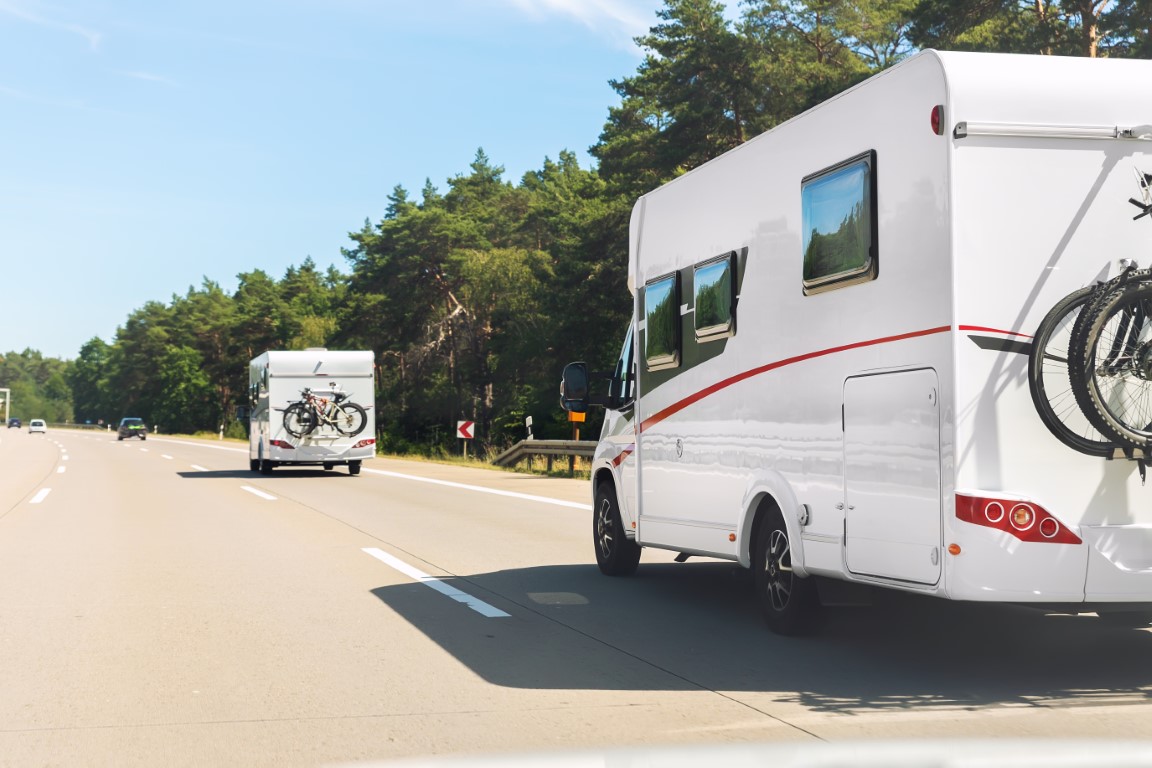
Modern caravanning increasingly includes lithium-powered kit—e-bikes, portable power stations, tool batteries, mobility scooters and high-capacity power banks. This equipment is useful and often expensive, but it also introduces additional theft and fire risk.
From a caravan insurance perspective, claims can become complicated when high-value items were never declared, when charging setups look like undisclosed modifications, or when losses happen in “grey areas” like awnings and annexes.
This article explains what insurers typically expect and the practical steps that reduce both risk and the likelihood of claim disputes.
Why lithium-powered kit changes the risk profile
Lithium batteries are popular because they deliver high capacity in a compact space. The downside is that damaged batteries, incorrect charging, or poor storage conditions can increase the risk of overheating. In parallel, e-bikes and power stations are attractive theft targets, and theft claims often depend on how and where items were stored and secured.
Heat and charging risk: what insurers care about
Insurers typically look for “reasonable care” with charging and storage. If a claim involves a battery incident, questions often focus on whether the equipment was used in a sensible way.
Practical examples of “reasonable care”
- Use the manufacturer-recommended charger for the battery.
- Do not charge damaged, swollen, wet, or visibly compromised batteries.
- Avoid charging on soft furnishings or near flammable materials.
- Ensure ventilation when charging and keep chargers uncovered.
Theft risk and high-value contents
E-bikes and portable power stations can cost far more than standard camping accessories. Insurance policies often treat high-value items differently, especially where single-item limits apply.
What to document for high-value items
- Make/model and serial number
- Photos (including identifying marks)
- Proof of purchase (receipt, bank statement, email order confirmation)
- Warranty registrations (where available)
The insurance misunderstandings that cause claim problems
Most claim friction in this area comes from assumptions—particularly about automatic cover, item limits, and the difference between portable accessories and fixed modifications.
“It’s in the caravan, so it’s automatically covered”
Not always. Many policies have both:
- A total contents limit (your overall contents sum insured), and
- A single-item limit (the maximum for one item unless specified)
High-value items may need to be listed individually.
What to do
- Add up your touring kit realistically (not just a rough estimate).
- Identify anything high value (e.g., e-bikes, power stations, camera gear).
- Check your single-item limit and whether items must be specified.
“My portable power station isn’t a modification”
A portable unit is typically treated as contents, but issues arise when owners create an electrical setup that changes the caravan’s standard system—particularly if equipment is hard-wired or permanently installed.
If it’s fitted, wired in, or alters the electrics, treat it as disclose-able
Examples that commonly fall into “modification” territory:
- Hard-wired inverter installation
- Additional fixed leisure battery systems
- Fixed solar installations and controllers
- Added sockets or rewiring
“My e-bike is covered wherever it’s stored”
Cover can vary depending on whether items are:
- Inside the caravan
- In an awning/annexe
- In an external locker
- On the towing vehicle
- Left outside or unattended
The practical check
Confirm in advance how your policy treats:
- Awnings/annexes (included or limited)
- Security requirements (locks, storage conditions)
- Overnight storage expectations
The biggest pitfalls to avoid
This is where people most often get caught out: underinsurance, unclear item locations, DIY electrics, and lack of proof after theft.
Pitfall: underinsuring contents (and exceeding single-item limits)
A common pattern is insuring contents based on a “typical” estimate, then adding several high-value items over time.
Quick fix
- Create a simple contents inventory before your first trip of the season.
- Ensure your contents sum insured reflects reality.
- Specify items that exceed any single-item limit.
Pitfall: charging in an awning without thinking through security and safety
Awnings can be convenient but may be easier to access and less secure than the caravan interior. Charging equipment in an enclosed space can also increase risk if ventilation is poor.
Safer approach
- Avoid leaving charging unattended for long periods.
- Keep chargers/batteries off soft surfaces and away from combustibles.
- Don’t route cables through pinch points (door frames, under mats).
Pitfall: undisclosed electrical upgrades
Even well-installed upgrades can cause issues if they were not disclosed, particularly when a claim relates to electrics or fire.
What to keep on file
- Invoices/receipts for equipment and installation
- Photos of the installation
- Product details (make/model of inverter/controller/battery system)
Pitfall: no proof of ownership after theft
Theft claims become harder when you cannot clearly evidence what you owned and its approximate value.
A 10-minute “tour folder” on your phone
- Photos of each item
- Serial numbers
- Proof of purchase (or bank statements)
- A list of items typically stored in the caravan vs the awning
A practical “stay covered” checklist before your next trip
Use this as a pre-departure routine—especially if you have added new kit since last season.
Step 1: inventory and value your lithium kit
List:
- E-bikes / scooters / mobility aids
- Portable power station(s)
- Spare batteries (bike, tool, camera, drone, etc.)
- Chargers and key accessories
Minimum standard
Include photo + serial number + approximate value for each.
Step 2: confirm three coverage points
The three questions to answer
- Is my contents sum insured high enough for my current kit?
- Do any items exceed my single-item limit (and need specifying)?
- Are my items covered while touring, and where (caravan vs awning vs vehicle)?
Step 3: disclose fixed electrical changes
Treat these as “tell your insurer” items
- Fixed solar and controllers
- Hard-wired inverters
- Additional leisure batteries as a fixed system
- Added sockets or electrical alterations
Step 4: improve theft resistance
Practical measures insurers expect to see
- Appropriate locks for e-bikes and storage areas
- High-value items kept out of sight
- Avoid leaving kit unsecured or unattended outside
Step 5: adopt safer charging habits
A simple rule set
- Use correct chargers and avoid cheap/unbranded alternatives
- Do not charge damaged batteries
- Keep chargers ventilated and away from flammables
- Avoid improvised multi-adaptor setups for high-load charging
If something goes wrong: what to do immediately
If you experience theft, fire, or a battery incident, early actions can materially improve claim outcomes.
First steps
Do this in order
- Prioritise safety and call emergency services if needed.
- Photograph/video the scene (only if safe).
- For theft, report to police and obtain a crime reference number.
- List missing/damaged items using your inventory.
- Keep damaged items (unless unsafe) as they may need inspection.
FAQs
Do I need to tell my insurer about a portable power station?
Practical answer
If it’s portable and not wired in, it is often treated as contents—however, it may still need to be specified if it exceeds your single-item limit.
Are e-bikes covered under caravan insurance?
Practical answer
They may be covered as contents, but this depends on your policy’s contents limit, single-item limit, and where the bike is stored (inside caravan vs awning vs outside).
Does my awning count as part of the caravan for contents cover?
Practical answer
Not always. Many policies treat awnings differently, apply lower limits, or impose extra conditions. Check before relying on it.
What evidence do I need for a claim?
Practical answer
Photos, serial numbers, proof of purchase (or bank statements), warranty registrations, and any police report details for theft.
Bottom line
Lithium-powered kit is now standard touring equipment, but it creates insurance pitfalls if you underinsure contents, fail to specify high-value items, assume awning storage is automatically covered, make fixed electrical upgrades without disclosure, or can’t evidence ownership after theft.
A simple inventory and a quick policy check materially reduce both risk and claim friction.