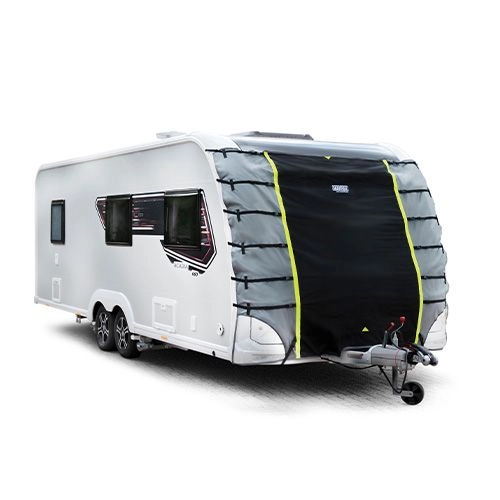
Does Static Caravan Insurance Cover Frozen Pipes?
Does static caravan insurance cover frozen or burst pipes? Learn what may be covered, winterisation rules, exclusions and how to prevent water damage.
Last reviewed by Jon Hatton UK Caravan Lead - October 2026
Frozen and burst pipes are among the most stressful winter problems for static caravan owners, especially when a closed-up leisure home is left unchecked for weeks. In many cases, static caravan insurance may cover frozen pipe damage under an escape-of-water section, but cover depends on the policy wording and whether you have taken reasonable winter precautions. This guide explains how cover for frozen pipes in static caravans usually works, what conditions can affect a claim, and which practical precautions can reduce the risk before temperatures drop.
Does static caravan insurance usually cover frozen pipes?
Static caravan insurance may cover damage caused by frozen or burst pipes, but it is not automatic in every situation. Many policies treat the resulting water damage as an “escape of water” claim, while separate caravan structure and contents sections may determine which damaged items are insured. The important point is that insurers usually expect the caravan to be properly maintained, drained down, and winterised when it is not being used.
That means the question is not only “am I insured?” but also “have I met the conditions of my policy?” A claim may be more straightforward if you can show that the caravan was prepared for winter, pipework was drained where required, heating instructions were followed, and any known maintenance problems were dealt with. If the caravan was left with water in the system despite policy rules saying it must be drained, cover could be reduced or refused.
Because insurance for caravans varies between providers, owners should check the exact wording before winter. Look for references to frozen pipes, burst pipes, escape of water, winter storage, unoccupancy, drain-down requirements, heating requirements, and maintenance obligations. If anything is unclear, ask the insurer or broker to explain it inwriting.
Why frozen pipes are such a common winter risk
Static caravans are more exposed to winter conditions than a typical bricks-and-mortar home. Pipework may run through colder areas, insulation levels vary, and many caravans are not occupied everyday during the coldest months. When water freezes inside a pipe, it expands. That pressure can split pipework, loosen joints, damage fittings, or cause leaks once the ice thaws.
The damage may not be obvious immediately. A pipe can freeze during a cold spell, then release water days later when temperatures rise. If nobody is visiting the caravan, the leak may continue long enough to damage flooring, furniture, wall panels, cupboards, appliances, and personal belongings. Even a relatively small escape of water can create a disruptive clean-up, especially if damp spreads before it is discovered.
This is why winter preparation matters. Insurance is there for unexpected events, but it is not a replacement for basic care. A well-winterised caravan is less likely to suffer damage, and if something still goes wrong, your preparation may help support the claim.
Policy conditions that can affect frozen pipe claims
Most insurers include conditions designed to reduce preventable winter damage. These conditions are not just small print; they can be central to whether a frozen pipe claim is accepted. The exact rules depend on the policy, the caravan park, and how the caravan is used, but several themes are common.
You may be expected to keep the caravan in a good state of repair. That includes dealing with damaged seals, leaks, cracks, loose fittings, or plumbing issues before winter. If an insurer believes the damage happened because of long-term neglect rather than a sudden insured event, the claim may become more difficult.
You may also need to follow unoccupancy rules. If the static caravan is left unused for an extended period, the policy may require you to drain down the water system, isolate the supply, leave heating on at a minimum setting, or arrange periodic checks. These requirements can differ, so do not assume that advice from another owner applies to your own policy.
Some insurers may also ask to be told about changes in use, storage, ownership, letting arrangements, or security. These issues are not always directly linked to frozen pipes, but they can affect the wider validity of your cover. If your caravan is on a holiday park, check whether the park has its own winter rules too, as these may overlap with your insurance responsibilities.
A practical winterisation checklist for static caravanowners
A clear routine is one of the best ways to prevent frozen pipes because it removes guesswork. Before the coldest weather arrives, set aside time to prepare the caravan properly or arrange for a qualified person to do it. Keep records, receipts, photographs, or service notes where possible, as these can help if you need to show that reasonable care was taken.
Use this checklist as a practical starting point, then compare it with your policy and manufacturer guidance:
· Turn off the water supply if the caravan will be closed for winter or left unused for a long period.
· Drain down the system according to the caravan manufacturer’s instructions, including taps, shower heads, toilet systems, water heaters, and any external connections.
· Open taps after draining where advised, so remaining water can escape and pressure is not trapped in the pipework.
· Protect exposed pipework with suitable insulation, especially in colder or more exposed parts of the caravan.
· Check seals, joints, and fittings for signs of wear, cracking, corrosion, or previous leaks.
· Service heating and water systems before winter if your policy, park, or manufacturer recommends it.
· Remove or protect valuables that could be damaged if a leak occurs.
· Ventilate carefully to reduce condensation while still following winter storage guidance.
· Visit periodically if it is safe and practical, or ask the park or a trusted person to check for obvious problems.
· Keep proof of work completed, including invoices, service reports, drain-down confirmations, and dated photographs.
This checklist does not replace your policy terms, but it gives you a sensible framework. If your insurer requires a professional drain-down, doing it yourself may not be enough. If your policy requires heating to be maintained rather than the system drained, follow that wording instead.
What should you do if a pipe freezes or bursts?
If you discover a frozen or burst pipe, act quickly to limit further damage and protect your insurance position. Turn off the water supply if you can do so safely, avoid using damaged plumbing, and contact your insurer or emergency claims line as soon as possible. You should also take photographs, keep damaged items where practical, and avoid major repairs until the insurer has told you what they need.
Your first priority is safety. If water is near electrics, do not take risks. Switch off power only if it is safe and you know how to do so, otherwise get professional help. If the caravan is on a holiday park, notify site management because they may need to isolate supplies, access stopcocks, or record the incident.
When speaking to the insurer, explain what happened, when you discovered it, what steps you took to limit the damage, and whether the caravan had been winterised. Be honest and specific. If you arranged a drain-down, provide the receipt or confirmation. If the caravan was checked recently, share the date and any notes.
A simple claims file can help you stay organised:
1. Date and time the issue was discovered.
2. Photos or videos of the leak, damaged pipework, and affected areas.
3. Details of emergency action, such as turning off water.
4. Names of plumbers, park staff, or contractors involved.
5. Receipts for repairs, call-outs, drying equipment, or temporary protection.
6. Copies of winterisation, servicing, and maintenance records.
Prompt action will not guarantee a claim is accepted, but it can help show that you acted responsibly once the problem was found.
What costs might frozen-pipe insurance actually cover?
A frozen pipe and the water damage it causes are not necessarily treated in the same way. If a pipe splits and leaks, a policy may cover some resulting damage without paying to repair the defective pipe itself. The precise position depends on the insured event, the sections of cover you hold and the exclusions that apply.
· The burst pipe itself: Repairing or replacing the failed pipe may not be insured, especially where the cause is wear and tear, deterioration or an excluded maintenance issue.
· The caravan structure and fixed fittings: Damage to flooring, wall panels or fitted units may be covered if it results from an insured escape of water.
· Personal belongings: Furniture or other belongings may fall under contents cover, subject to the policy’s definitions and limits.
· Finding or accessing a leak: Some policies offer trace-and-access protection, but it should never be assumed to be included.
· Drying and reinstatement: Reasonable work to repair insured damage may be covered where authorised and within the policy terms, limits and excess.
For example, a frozen pipe beneath the kitchen could split and soak the floor and cupboards. An insurer might consider the resulting water damage under escape-of-water cover but treat the broken pipe as a separate repair cost. Ask the insurer to clarify which costs fall within each part of the claim.
What should you check in your static caravan insurance policy?
When comparing policies, look beyond the headline premium and ask whether the cover suits how your caravan is used, particularly if it is left empty during winter.
· Does the policy include escape-of-water damage from burst pipes?
· What drain-down, heating and inspection conditions apply, and when?
· How does the insurer define unoccupancy?
· Are the caravan structure, fixed fittings and contents insured against the relevant damage?
· Is there a separate escape-of-water excess, claim limit or exclusion?
· Does the policy include trace-and-access costs, and on what terms?
· Would a change in use, such as holiday letting, need to be disclosed?
Read the full wording alongside the policy schedule and insurance product information document. For related guidance, see Static Caravan Insurance Exclusions Explained.
Prevention is usually cheaper than disruption
Even where cover applies, a frozen pipe claim can still be inconvenient. You may have to arrange repairs, dry the caravan, replace damaged contents, deal with park access, and wait for the claim to be assessed. If the caravan is used for family holidays or guest stays, the timing can be especially frustrating.
Good prevention reduces both the likelihood damage and the stress of proving that you took care. It also helps protect the long-term condition of the caravan. Water damage can affect hidden areas, and damp can create problems long after the visible leak is fixed.
Think of winter preparation as part of owning the caravan, not as an optional extra. Add reminders to your calendar before the first hard frost, keep all insurance documents in one place, and review your policy before renewal. If you are unsure whether your current cover is suitable, ask direct questions before winter rather than after a claim.
Useful questions include:
· Does my policy cover damage from frozen or burst pipes?
· Is frozen pipe damage treated as escape of water, accidental damage, or another section?
· Do I need to drain down the system when the caravan is unoccupied?
· Must the drain-down be done by a professional?
· Are there heating or inspection requirements during winter?
· Are contents damaged by escaped water included?
· What evidence would you need if I made a claim?
Clear answers make it easier to choose suitable preventative measures and avoid surprises.
Frequently asked questions about frozen pipes and static caravan insurance
Does static caravan insurance cover burst pipes in winter?
It may cover resulting water damage where the policy includes escape-of-water protection and the relevant conditions have been met. Cover for repairing the pipe itself can be different, so check the exclusions, limits and excess.
Do I have to drain down my static caravan for insurance?
Some insurers require a drain-down during specified winter periods or when the caravan is unoccupied. Others may set different requirements. Check your policy and follow the prescribed procedure rather than assuming that turning off the water alone is sufficient. See InsureMy's guide to draining down a static caravan.
Does insurance cover frozen pipes if the caravan is unoccupied?
Possibly, but additional unoccupancy or winterisation conditions may apply. The insurer will assess the cause of loss,the policy wording and whether relevant precautions were followed.
Can I leave the heating on instead of draining down?
Only if the insurer's specific terms allow it. A heating-only approach will not necessarily meet a requirement to drain the system, and heating can fail during a power cut or boiler fault.
Will insurance pay to replace a frozen or burst pipe?
Not always. A policy may cover insured water damage while excluding the repair or replacement of the failed pipe. Ask your insurer how it treats the pipe, any access work and resulting damage.
The key takeaway for winter cover
Static caravan insurance may cover frozen pipes, but the strength of that cover depends on the policy and the care taken before winter. Most owners should focus on three things: understanding the wording, winterising the caravan properly, and keeping evidence of maintenance or drain-down work.
If your caravan will be unused during colder months, do not wait for a severe weather warning to prepare it. Check your insurance, follow the required winter precautions, and deal with maintenance issues early. That way, you reduce the chance of frozen pipe damage and put yourself in a better position if you ever need to make a claim.
Compare static caravan insurance with InsureMy
If your static caravan is unused for part of the year, choosing suitable insurance means checking winterisation conditions as well as the premium. InsureMy helps owners compare static caravan insurance options from UK providers. Review the cover, excesses and exclusions before buying.
Compare static caravan insurance with InsureMy.
Coveris subject to the insurer's policy wording, schedule, conditions, exclusions,limits and excesses. This guide provides general information, not confirmation that a particular claim will be paid.